
Formal Administration in Florida
About Probate
Formal Administration in Florida

Probate Lawyers in Lakeland Florida. We Provide experienced Formal Administration Legal Services in Polk County, Central Florida and the entire State of Florida.
Call 863.250.2990 today to schedule a Free Consultation with our skilled Probate & Formal Administration attorneys.
Expert Formal Administration Guidance When You Need It Most
Compassionate legal guidance when formal administration is necessary. We’re here to guide you amidst the complexities, ensuring your loved one’s wishes are honored.
50+ Years of Formal Probate Administration Experience
With over 50 years of experience in formal administration, MTM Law Firm guides you through Florida’s probate administration process with compassion and expertise. We provide clear communication and personalized attention, ensuring your loved one’s wishes are honored.
Formal Probate
What is Formal Probate of a Will?
In Florida, the definition of formal probate is a court-supervised proceeding that validates a decedent’s last will and testament and appoints a Personal Representative to manage the probate estate.
This type of probate provides legal oversight and a clear structure, particularly valuable when handling complex situations like will contests, disputes among beneficiaries, or intricate estates with various probate assets.
While the formal probate process may require more time, the benefits of court supervision and a designated representative offer invaluable peace of mind during an emotionally challenging period.
When to Choose Formal
Administration in Florida
Formal administration provides the structure, oversight, and legal authority needed to address complex estates, creditor issues, and disputes. It involves the court appointment of a Personal Representative who acts on behalf of the estate.

When Formal Administration is Required:

Higher Value Estates
When the value of the non-exempt estate assets exceeds $75,000 and less than two years have passed since the date of death, formal administration is generally required under Florida law.

Estate Litigation
If legal action needs to be taken on behalf of the estate, such as pursuing a lawsuit or defending against a claim, formal administration is necessary to appoint a Personal Representative with the legal authority to act.
When Formal Administration is Recommended:

Multiple Creditors
When the deceased had multiple creditors or outstanding debts, formal administration provides a structured process for notifying creditors, handling claims, and ensuring proper payment.

Need for a Personal Representative
If there are ongoing business concerns, contract issues, mortgage negotiations, or other matters that require someone to act on behalf of the estate, formal administration allows for the appointment of a Personal Representative with the necessary authority.
If you have questions about Probate and Formal Administration issues, don’t wait—make sure your legal rights are protected. Call 863.250.2990 today to schedule your Free Consultation with our Probate attorneys.
If you are wondering where to find a Probate Formal Administration Lawyer near me in Lakeland, FL and throughout the State of Florida, The MTM Law Firm PLLC is the Law Firm to call. We have a combined 50 years experience in Probate and Formal Administration legal matters.
Attorneys
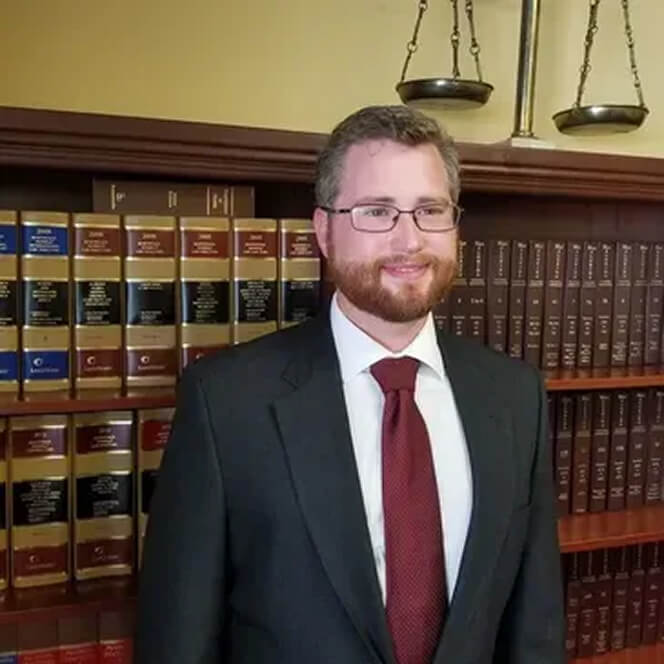
A graduate of Jones Law, he is our team lead for the probate department and case management. He is the one to establish the plan in court.

A graduate of St Thomas Law, Carlos is head of client management and client relations. He is the master of what happens out of court.

A graduate of Cumberland School of Law, Dennis serves as of counsel bringing legislative experience from his tenure as U.S. Congressman.
Get Started
Contact us and get a free consultation in our offices
Your Formal Administration Journey with MTM
STEP ONE:
Free Consultation and Case Analysis
We begin with a free, in-depth consultation to assess your unique situation. We’ll determine if formal administration is the best fit and provide a clear cost estimate, including court fees.
STEP TWO:
Secure Document Submission
We leverage technology to make it easy. Simply scan and send relevant documents to our secure online mailbox. We’ll then prepare your probate petition and file it with the appropriate court on your behalf.
STEP THREE:
Court Approval and Beyond
Once the court accepts your petition, the formal administration process begins. We’ll guide you through every subsequent step, ensuring meticulous attention to detail and compliance with Florida probate law.

Client Reviews
Why Choose MTM Law Firm for Your Formal Administration?
Serving as a Personal Representative in Florida probate is a significant responsibility. You’re entrusted with managing the decedent’s assets, addressing creditor claims, and ensuring the estate is settled according to the will or Florida law.
At MTM Law Firm, we recognize the weight of this duty. We are dedicated to providing you with the guidance and support you need to navigate the complexities of formal administration.

Understanding Your Fiduciary Responsibilities
We’ll clearly explain your duties as a Personal Representative, ensuring you understand your obligations to creditors, the IRS, and beneficiaries.
Effective Communication with All Parties
We’ll help you maintain open communication with beneficiaries and creditors, providing timely updates and addressing any concerns.
Accurate Preparation and Filing of Court Documents
We’ll meticulously prepare and submit all required court filings, ensuring compliance with Florida probate procedures and deadlines.
Strategic Decision-Making
We’ll provide expert advice and guidance to help you make informed decisions regarding asset sales, creditor negotiations, and distributions.
If you have questions about Probate issues, don’t wait—make sure your legal rights are protected. Call 863.250.2990 today to schedule your Free Consultation with our Probate attorneys.
Frequently Asked Questions Regarding Formal Administration
When does an estate in Florida require Formal Administration?
An estate in Florida typically requires Formal Administration if the value of the probate assets exceeds $75,000. This process is also mandatory if the decedent has been deceased for less than two years and the estate cannot qualify for Summary Administration. Formal Administration is the standard, court-supervised process for probating an estate in Florida, involving more steps and oversight. A Personal Representative (PR) is appointed by the court to administer the estate, which is a significant and regulated responsibility. Due to the complexity of the legal requirements, a Formal Probate Administration Lawyer is essential for this process. Florida Probate Rule 5.030(a) mandates that a PR in a formal administration must be represented by an attorney unless they are the sole interested person. The lawyer ensures strict compliance with procedural deadlines, proper creditor notification, and correct asset distribution according to the law. Consequently, retaining a knowledgeable attorney is necessary to successfully navigate the formal probate process and fulfill all legal duties.
How do I know if the deceased person's assets are "probate assets" that need to go through this process?
If there is no will, who has priority to be appointed as the Personal Representative in Florida?
According to Florida Statute §733.301, a clear order of preference is followed in intestate estates, meaning when there is no will. The person with the highest priority to be appointed as the Personal Representative is the decedent’s surviving spouse. If there is no surviving spouse, or if they are unable or unwilling to serve, the priority shifts to the person selected by a majority in interest of the heirs. This means the person chosen by the beneficiaries who collectively hold the largest share of the estate. Next in line is the heir nearest in degree of kinship to the decedent. For example, if no spouse or majority selection exists, a sole child would have priority over a grandchild or sibling. If multiple heirs are in the nearest degree, the probate court will use its discretion to select the one it deems best qualified. To be eligible for appointment, any individual must generally be at least 18 years old, mentally and physically capable, and have no felony conviction. Non-Florida residents are usually disqualified unless they are a spouse or close blood relative of the decedent. If no one with priority applies, the court may appoint any capable person, excluding certain court-connected individuals.
In a Formal Administration in the State of Florida, What is a Notice of Administration, and who receives it?
What happens if there isn't enough money in the estate to pay all the debts in the State of Florida?
Testimonials
Results may vary. Every legal matter is unique and past results do not guarantee a similar outcome. Testimonials reflect the individual experiences of former clients.