Last Will and Testament in Florida

Peace of Mind for You and Your Estate
About Estate Planning

Last Will and Testament in Florida

Estate Planning Lawyers in Lakeland Florida. We Provide experienced Last Will and Testament & Estate Planning Legal Services in Polk County, Central Florida and the entire State of Florida.

Call 863.250.2990 today to schedule a Free Consultation with our skilled Testamentary Will & Estate Planning attorneys.

Beyond the Basics: The Versatility of a Florida Last Will and Testament
A Last Will and Testament is often considered the cornerstone of any estate plan, and for good reason. While its primary function is to dictate how your assets will be distributed after your passing, a Florida Will, when drafted with care and expertise, offers surprising versatility and control over your legacy. The MTM Law Firm, PLLC, is dedicated to helping you harness the full potential of this crucial document.

What a Florida Last Will and Testament Can Do:

Florida Statute 732.502 outlines the basic requirements for a valid Florida Will. However, a well-drafted Will can achieve much more than simply naming beneficiaries. Here’s a look at its versatility:

Directing Asset Distribution: This is the core function. You specify who receives your real estate, personal property, financial accounts, and other assets. You can designate specific items to individuals or divide your estate amongst multiple beneficiaries in percentages or specific amounts.

Naming Your Personal Representative (Executor): Your Will appoints the person responsible for managing your estate through the probate process. Choosing a trustworthy and capable individual is crucial for efficient administration.

Nominating Guardians for Minor Children (Florida Statute 744.304): If you have minor children, your Will allows you to nominate who you would like to be their legal guardian. While the court has the final say, your wishes are given significant weight.

Establishing Trusts within Your Will (Testamentary Trusts): You can create trusts within your Will that come into effect upon your death. This can be useful for managing assets for young beneficiaries, individuals with special needs, or for specific financial goals.

Specifying How Debts and Taxes Should Be Paid (Florida Statute 733.707): Your Will can provide instructions on how your debts and estate taxes should be paid, potentially avoiding disputes among beneficiaries.

Making Specific Gifts (Bequests): You can leave specific items or sums of money to individuals, charities, or organizations.

Disinheriting Individuals: While Florida law has some limitations, you can generally specify who you do not want to inherit from your estate.

Expressing Your Wishes for Funeral Arrangements: While not legally binding, you can express your preferences for funeral or memorial arrangements.

Beyond Boilerplate: The Importance of Experienced Guidance

While online templates might seem like a cost-effective solution, a generic Will often fails to address the nuances of your individual circumstances and the complexities of Florida law. This is where the expertise of The MTM Law Firm, PLLC, becomes invaluable. We can help you:

Understand the Legal Requirements

Ensure your Will complies with all Florida Statutes to avoid challenges to its validity.
Tailor Your Will to Your Unique Needs

We take the time to understand your family dynamics, assets, and goals to create a Will that truly reflects your wishes.

Navigate Complex Situations

We can advise you on issues such as blended families, business ownership, and estate tax considerations.

Minimize Potential Disputes

A well-drafted Will can anticipate potential conflicts and provide clear instructions to prevent disagreements among your loved ones.

Integrate Your Will with Other Estate Planning Documents

We can ensure your Will works seamlessly with other documents like trusts and powers of attorney to create a comprehensive plan.

Secure Your Legacy with The MTM Law Firm, PLLC:

A Florida Last Will and Testament is a powerful tool for ensuring your wishes are carried out and protecting your loved ones. Don’t leave something this important to chance. The MTM Law Firm, PLLC, is dedicated to providing knowledgeable and effective legal guidance in crafting a Will that is both versatile and tailored to your specific needs.

Contact The MTM Law Firm, PLLC today for a consultation to discuss how a well-crafted Last Will and Testament can provide you with peace of mind and secure your legacy for the future.

If you have questions about Testamentary Will & Estate Planning issues, don’t wait—make sure your legal rights are protected. Call 863.250.2990 today to schedule your Free Consultation with our Last Will and Testament attorneys.

If you are wondering where to find a Last Will and Testament Lawyer near me in Lakeland, FL and throughout the State of Florida, The MTM Law Firm PLLC is the Law Firm to call. We have a combined 50 years experience in Estate Planning and Last Will and Testament legal matters.

Attorneys

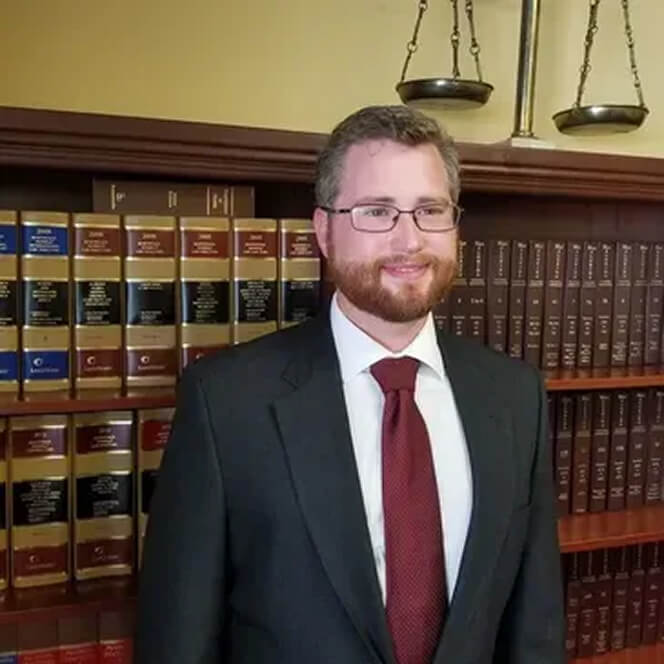
A graduate of Jones Law, he is our team lead for the probate department and case management. He is the one to establish the plan in court.
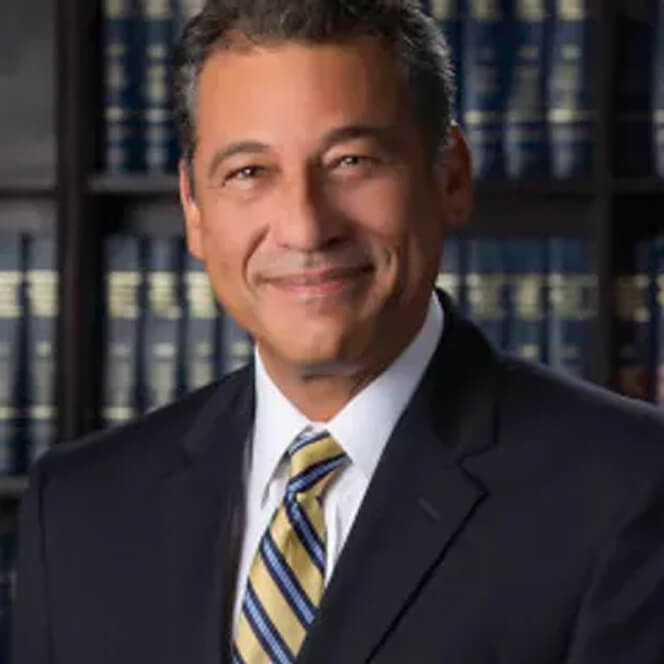
A graduate of St Thomas Law, Carlos is head of client management and client relations. He is the master of what happens out of court.

A graduate of Cumberland School of Law, Dennis serves as of counsel bringing legislative experience from his tenure as U.S. Congressman.

Get Started

Contact us and get a free consultation in our offices

Frequently Asked Questions Regarding Last Will and Testament

What are the basic legal requirements for a will to be valid in Florida?
For a will to be legally valid in Florida, the maker, or testator, must meet several strict requirements outlined in Florida Statutes S. 732.501. First, the testator must be at least eighteen years of age or an emancipated minor. Crucially, the testator must also be of sound mind, meaning they understand the nature and extent of their property and the effects of signing the document. The will must be in writing, as Florida does not recognize oral or unwitnessed handwritten (holographic) wills. The testator must sign the will at the end of the document, or another person may sign on their behalf in their presence and by their direction. This signing, or the testator’s acknowledgment of a previous signature, must occur in the simultaneous presence of at least two attesting witnesses. These two witnesses must then sign the will in the presence of both the testator and each other. While not legally required for validity, a notarized self-proving affidavit simplifies the probate process significantly. Failure to comply strictly with these formal execution requirements can render the entire will invalid.
Can a handwritten will (a holographic will) be valid in Florida?
In Florida, a true holographic will—one that is unwitnessed and entirely in the testator’s handwriting—is not valid. Florida law, specifically S. 732.502, demands strict compliance with execution formalities for all wills. The will must be in writing and signed by the testator at the end of the document. Crucially, the testator’s signing must be witnessed by at least two attesting individuals. These two witnesses must then sign the document in the presence of both the testator and each other. If a handwritten will meets all of these witnessing requirements, it is then considered a valid written will, not an invalid holographic will. Florida courts will not recognize an unwitnessed handwritten document, even if the intent of the deceased is clear. Furthermore, a holographic will that was validly created in another state may still be invalid for use in Florida probate proceedings. Therefore, to be enforceable in Florida, any handwritten will must be formally executed with the required witnesses.
Who can act as a witness to my will in Florida? Can a beneficiary be a witness?
According to $\text{Florida Statute}\ $ 732.504(1), any person competent to be a witness may act as a witness to a will. Competency generally means the person must be of sound mind, able to understand their duty to tell the truth, and capable of perceiving and remembering the signing event. Florida law does not impose a minimum age, though it is strongly advised to use adults over 18. Crucially, a will is required to be signed by at least two attesting witnesses in the presence of the testator and in the presence of each other. Regarding the question of an interested party, F. S. 732.504(2) explicitly states that a will is not invalid simply because it is signed by an “interested witness,” meaning a beneficiary can legally witness the will. However, this practice is strongly discouraged by estate planning professionals. A beneficiary’s presence during the signing can create an appearance of “undue influence,” making the will easier to challenge in court. Therefore, while legal, using a disinterested witness is the best practice to avoid potential probate litigation and ensure a smooth process.
What assets does a will control, and what assets does it not in the State of Florida?
A will in Florida legally controls only “probate assets,” which are those titled solely in the decedent’s name at the time of death. These assets, including individually owned real estate, bank accounts without beneficiaries, and personal property, must pass through the court-supervised probate process. The will’s primary function is to direct the distribution of these specific assets and to name a personal representative for the estate. Conversely, a will does not control “non-probate assets,” which transfer automatically outside of the court system. This non-probate category includes assets with a valid beneficiary designation, such as life insurance policies, IRAs, and 401(k) retirement accounts. Property held with rights of survivorship, like a joint tenancy or tenancy by the entirety for spouses, also bypasses the will, passing directly to the surviving owner. Assets formally placed into a revocable living trust are another major type of non-probate asset, as the trust document governs their distribution. Even the primary Florida residence, if properly classified as protected homestead property, typically passes outside the will to the correct heirs. For a will’s terms to take effect on an asset, that asset must first be subject to probate. Effective estate planning in Florida involves coordinating both the will and non-probate transfers to achieve the desired outcome.

Testimonials

- Brandy Wingate

"Excellent experience. Provided needed legal documents for a medical emergency. Exceptional support and efficiency in communication made the process stress free. My compliments to Mathew Morrison and his staff. Highly recommend."

— Paulette Copley

"Shelee M. was very helpful with my situation. She was able to look at my property deed on line and took my problem to the attorneys immediately. She was kind and helped resolve my situation and expeditiously. I would highly recommend this firm and will use them again myself."

— Elmo Mangual

"This firm was very helpful in my probate case. They were excellent and willing to help no matter what. They were able to resolve my case fast. I was impress with their work. I give them a 10 out of 10. Thank you again from the Mangual family."

- Stephen Brown

"I was very happy with the compassion and caring about the loss of my brother. The professional handling of the legal issues was the very best that I could have asked for. Thank you."

- Paula Halterman

"Omgoodness!! Had an emergent issue, spoke with Shelee, not only did she take the time to listen and understand our problem, she obtained the solution!! If you EVER have a need for a probate attorney, MTM law firm is amazing!!"